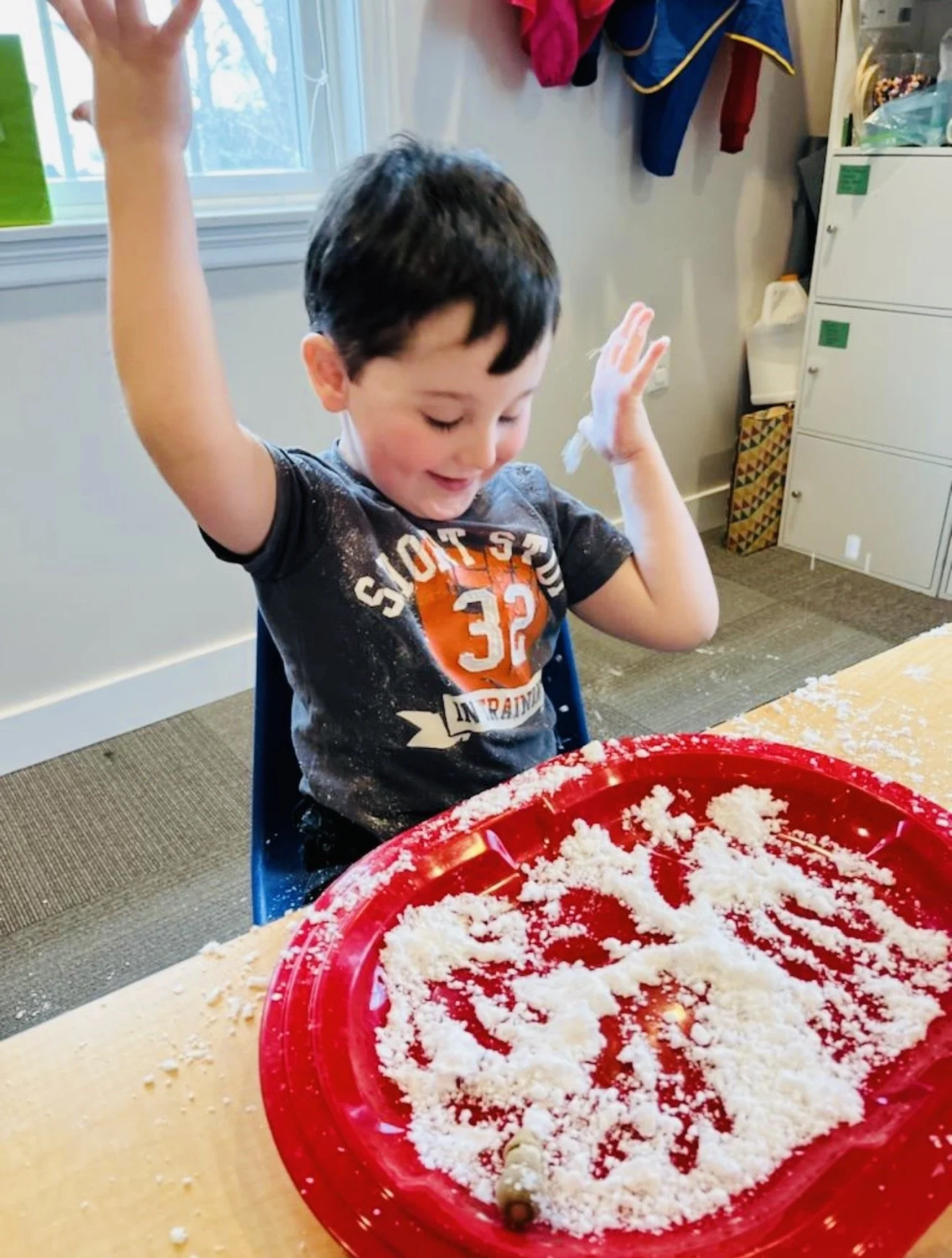
As a parent, you know your child best. If you have begun to notice subtle differences in how your toddler plays, speaks, or interacts with the world, it is natural to have questions about their development.
While every child reaches milestones at their own pace, certain patterns can signal that a child is neurodivergent and may benefit from additional support. Early identification is the most powerful tool a parent has. Here is what to look for:
1. Communication Differences
In early childhood, communication is about more than just words—it’s about connection. You may want to speak with a professional if you notice:
Limited Vocabulary: Having few or no spoken words by age 2.
Lack of Gestures: Your child does not point to show interest or wave "hello."
Response to Name: Difficulty or inconsistency in responding when their name is called.
Eye Contact: Limited or fleeting eye contact during interactions.
2. Social and Play Patterns
Autistic toddlers often experience the world through a unique social lens. Look for these "red flags" in play:
Repetitive Play: A strong preference for lining up toys, spinning wheels, or stacking items rather than using them for their intended purpose.
Preference for Solitude: Choosing to play alone consistently or showing limited interest in joining other children.
Pretend Play: Difficulty with "make-believe" play (like feeding a doll or pretending a block is a phone).
Resistance to Shared Play: Becoming visibly upset when a peer or caregiver attempts to join their activity.
3. Behavior and Sensory Sensitivities
Toddlers on the spectrum often crave predictability and may process sensory information differently:
Routine Rigidity: Having intense reactions to small changes in daily routines or environments.
Repetitive Movements: Engaging in "stimming," such as hand flapping, rocking, or spinning.
Sensory Processing: Being over- or under-sensitive to certain sounds, textures, or lights.
What Are the Next Steps for Massachusetts and NH Families?
If these signs feel familiar, you are not alone. Navigating the path toward a diagnosis can feel complicated, but there is a clear roadmap for families in our region:
Consult Your Pediatrician: Start the conversation with your local doctor in Haverhill or Salem.
Request an Evaluation: Seek a formal developmental evaluation to understand your child's unique profile.
Explore Early Support: Early intervention and ABA therapy can make a lifelong difference in a child’s independence and confidence.
Navigating Next Steps in Haverhill, MA
At Connected Kids, we specialize in supporting families through the initial phases of a diagnosis. From evaluation guidance to compassionate, play-based ABA therapy, we are here to ensure no family in the Merrimack Valley or Southern NH has to walk this path alone.
Contact Us Today to discuss your concerns or learn more about our current openings.